
Maintaining optimal patient positioning in healthcare beds is crucial for preventing pressure ulcers, particularly in patients with high acuity and extended hospital stays.
Asheville Specialty Hospital (ASH) recognized this challenge and embarked on a groundbreaking initiative to enhance patient care and improve outcomes.
This blog post delves into ASH’s journey with the Hercules Patient Repositioner™ and the remarkable results they achieved.
The Challenge of Pressure Ulcers
ASH is known for its high-acuity patients, who often remain hospitalized for over 20 days. Due to their complex medical conditions, these patients are typically debilitated and prone to pressure ulcers. In February 2014, ASH launched a clinical initiative to address the critical issue of patient positioning and its impact on pressure ulcer development.
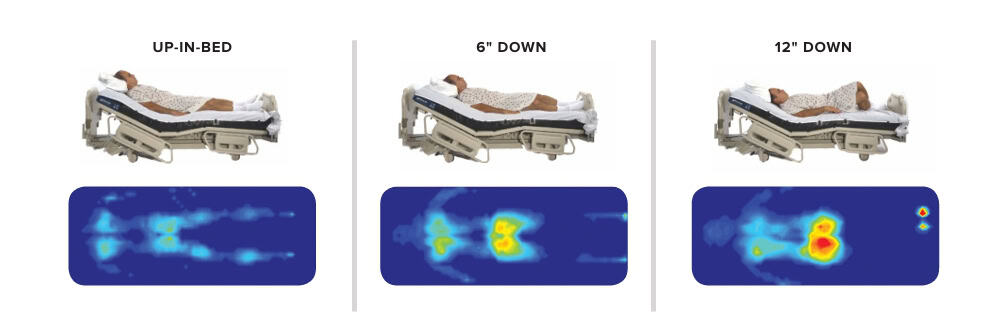
The problem stemmed from the need to elevate the head of the bed (HOB) for medical reasons like feeding tubes or mechanical ventilation. This elevation often caused patients to slide down in bed, increasing pressure on vulnerable areas such as the sacral region, buttocks, and heels.
As illustrated in pressure mapping images, this pressure migration heightened the risk of skin breakdown and pressure ulcer formation.
The Innovative Hercules Patient Repositioner Solution
ASH introduced the Hercules Patient Repositioner™ (Hercules) as part of a 90-day trial to reduce pressure ulcer incidences. Hercules is an innovative device designed to maintain patients’ proper positioning by effortlessly repositioning them in bed.
The device was used with patients at high risk for pressure ulcers, specifically those with Braden Scores of 18 or lower.
Key Findings from Using the Hercules Patient Repositioner
The trial yielded impressive results:
- No New Pressure Ulcers: Hercules patients did not develop new skin breakdowns or nosocomial pressure ulcers.
- No Worsening of Existing Ulcers: Patients with pre-existing pressure ulcers (stages 2-4) did not experience any further skin deterioration or worsening of their ulcers.
Following the trial’s success, ASH expanded the use of Hercules, purchasing six units and establishing a new repositioning protocol. The protocol ensured that every time a caregiver entered a patient’s room, they checked and adjusted the patient’s position if necessary.
This approach prevented patients from sliding too far in bed, leading to notable clinical improvements.
Enhanced Patient and Staff Experience
The implementation of Hercules brought several additional benefits:
- Improved Patient Comfort: Hercules provided a smoother and more dignified repositioning process, significantly enhancing the patient experience.
- Increased Staff Efficiency: The device reduced the need for multiple caregivers to reposition a patient manually. With Hercules, a single caregiver could perform the task in less than 10 seconds, thanks to the system’s easy-to-use drive mechanism.
- Reduced Staff Injury: By eliminating the physical strain of manual repositioning, Hercules minimized the risk of staff injuries and contributed to a safer work environment.
- Cost Savings: ASH experienced a 70% reduction in specialty bed rental costs due to decreased reliance on specialty surfaces.
How the Hercules Patient Repositioner Works
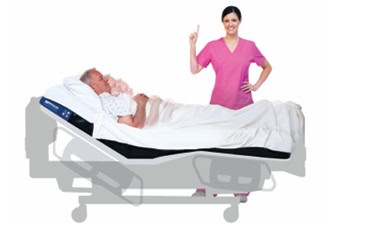
The Hercules Patient Repositioner is designed to fit most hospital beds and consists of three components:
- Drive System: The caregiver can operate the device with a simple push button.
- Sleep Surface: Facilitates smooth patient movement.
- Special Sheet: Twice the length of a standard flat sheet, enabling 8 to 10 repositionings peruse.
By moving the bottom sheet like a conveyor, Hercules enables seamless repositioning, reducing friction and preventing shear forces that can cause skin tears. This innovation ensures a safer and more comfortable environment for patients.
Conclusion
ASH’s adoption of the Hercules Patient Repositioner™ has revolutionized its approach to patient care. The device has improved clinical outcomes by preventing new pressure ulcers and worsening existing ones and enhancing patient dignity and comfort.
Hercules has streamlined repositioning tasks for staff, reducing injury risks and leading to significant cost savings.
ASH’s experience with Hercules demonstrates the transformative impact of innovative medical technology in healthcare settings. The successful integration of Hercules highlights the importance of continuous improvement and commitment to patient and staff well-being.